
The midsize style edit / Real bodies, real days
Outfits that work with your shape.
Explore midsize outfit ideas by occasion—with useful fit checks, thoughtful proportions, and outfit formulas you can actually wear.
Browse outfit ideas ↓No one silhouette suits everybody. Start with comfort, movement, and the setting.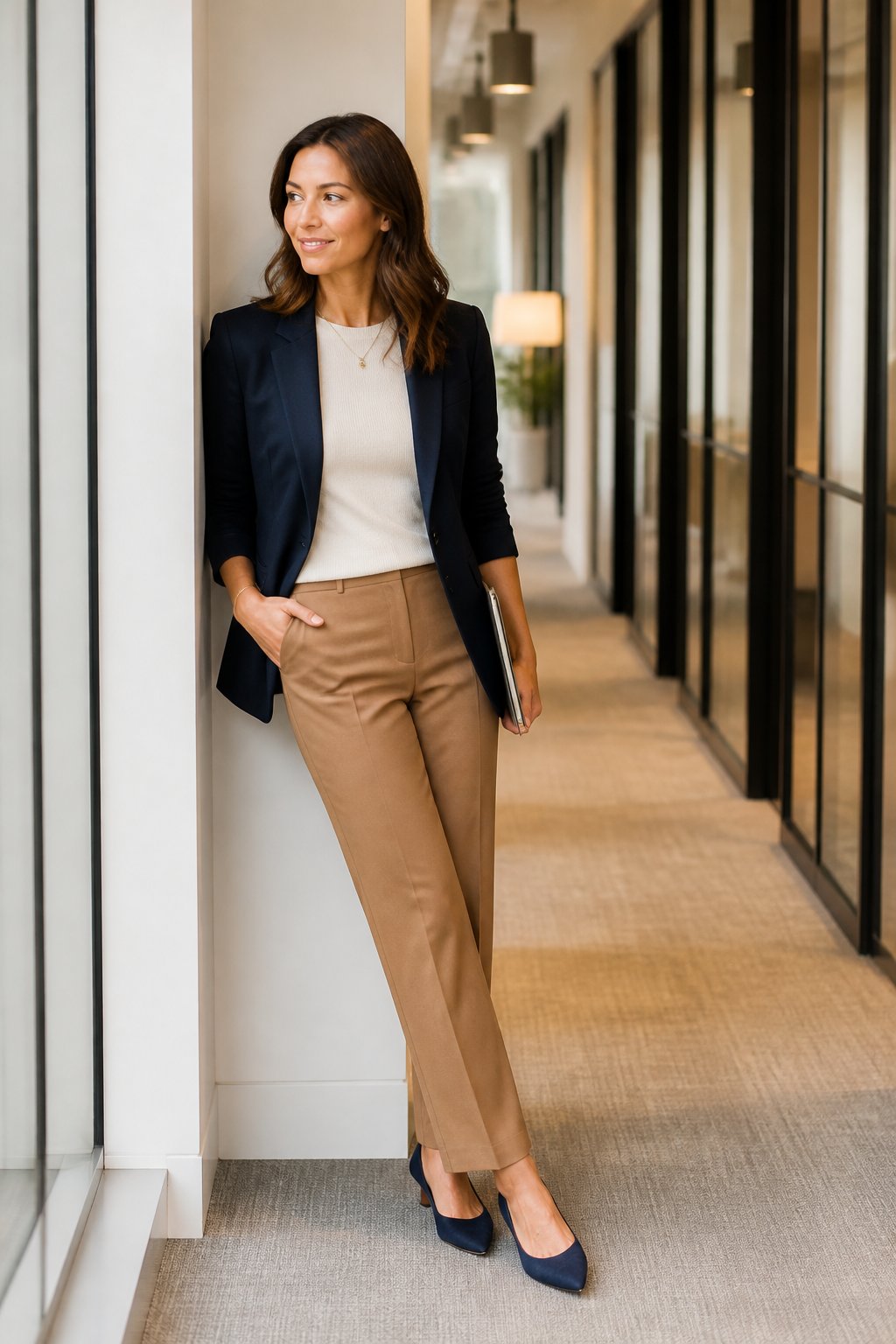
Start with the life you’re dressing for
A look for every kind of day.
Choose the occasion first, then adjust the formula for your proportions and preferred coverage.
Office outfits
Comfortable tailoring, better proportions, work-ready polish.
Explore guide ↗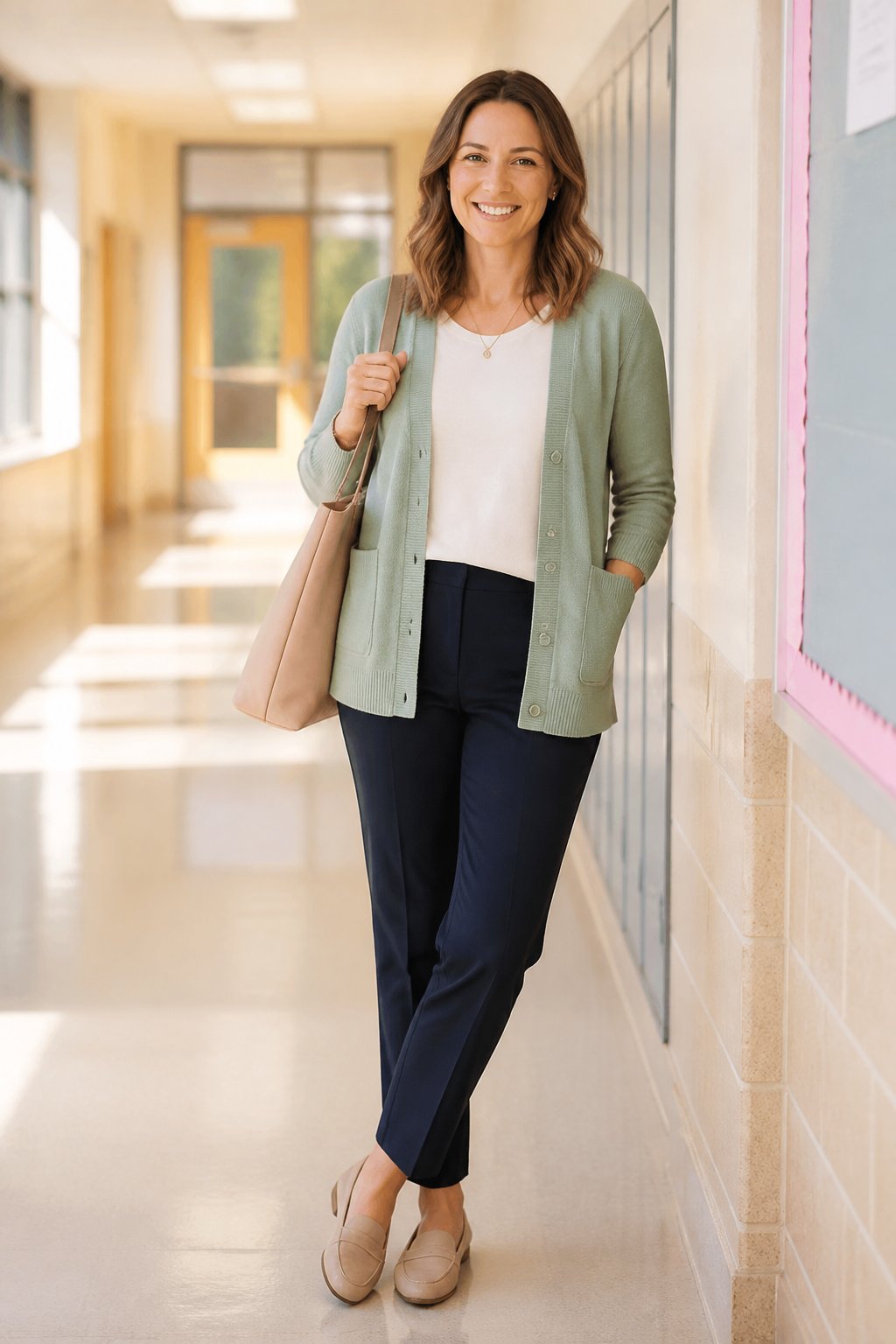
Teacher outfits
Easy movement and layers for busy teaching days.
Explore guide ↗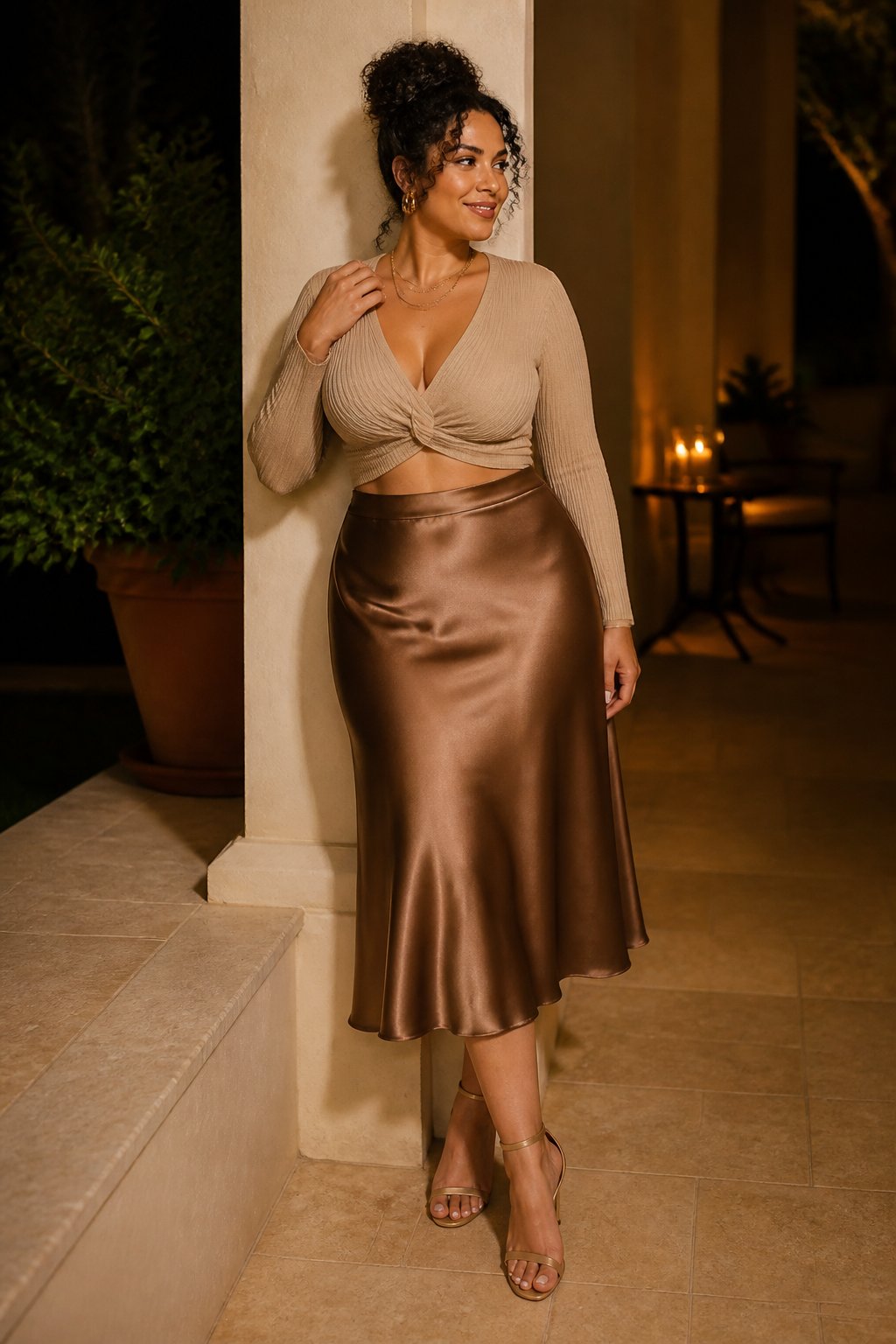
Going out
Evening looks with comfort and intentional shape.
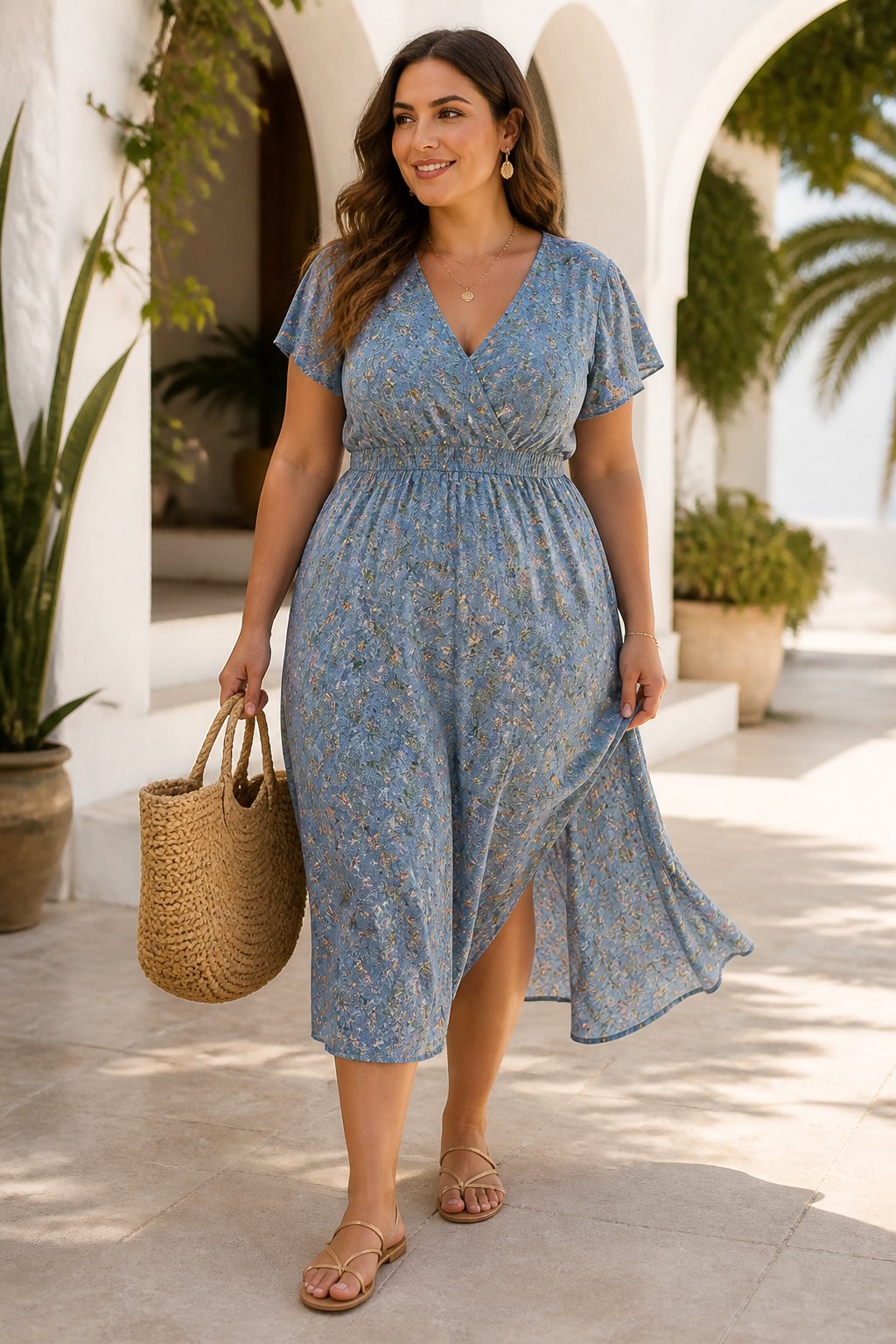
Explore guide ↗Vacation outfits
Flexible clothing for a changing itinerary.
Explore guide ↗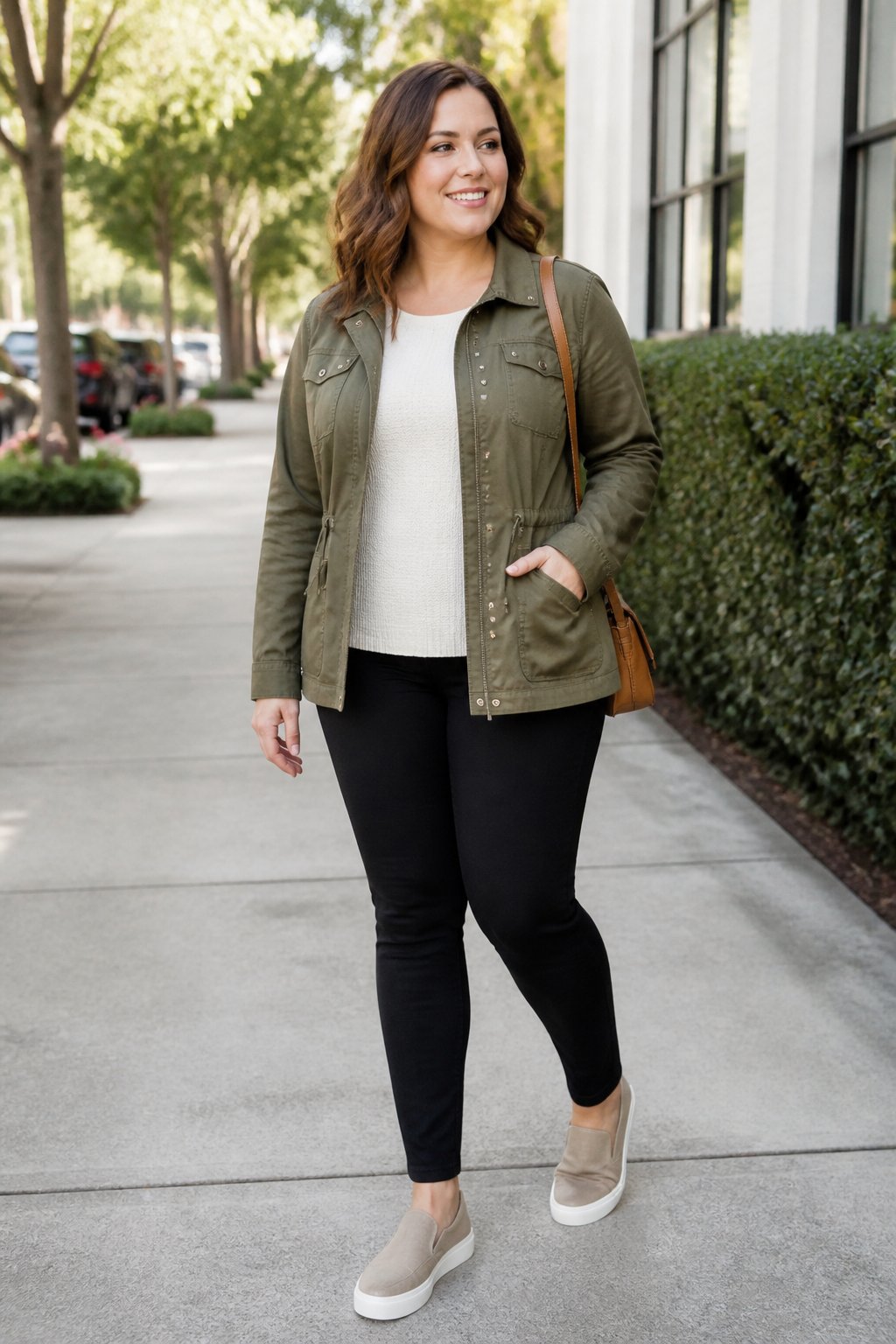
Casual outfits
Comfortable combinations to wear on repeat.
Explore guide ↗Before you choose your look
A fit check worth keeping.
A size label doesn’t tell you how an outfit feels. Use these four checks, then adapt rather than forcing a particular shape.
For a broader wardrobe foundation, explore the three-layer outfit system ↗.
- MoveSit, reach, and walk in the complete outfit—not just the individual pieces.
- BalanceLook at where layers end and how the top and bottom work together.
- FabricCheck drape, stretch, opacity, and real care requirements.
- RepeatBuild combinations that survive different shoes, layers, and laundry days.
Midsize outfit ideas should feel comfortable first and polished second, with pieces that skim rather than squeeze and silhouettes that work with your body instead of fighting it. This hub brings together every midsize-focused article on The Outfit Method so you can find the right outfit formulas for your actual life — whether you are dressing for the office, the classroom, a night out, a vacation, or a casual weekend.
The articles below are organized by occasion and dressing need. Each one contains 10–15 specific outfit combinations with practical guidance on fit, proportion, fabric weight, shoe choice, and layering — all approached through a midsize perspective that prioritizes comfort and real movement over restrictive styling.
Where to start
If you are building a midsize wardrobe from scratch, your best starting point is capsule wardrobe systems. Understanding the capsule approach — a small set of pieces that all work together — makes every outfit decision easier. Once you have that foundation, the articles in this hub give you the specific outfit formulas to plug into your system.
If you already have a working wardrobe but feel stuck in a rut, jump straight to the section that matches your biggest gap. Most women find that fixing one category — work outfits or casual outfits, for example — makes the whole closet feel more useful.
Work and office outfits
Dressing for the office when you are midsize means finding pieces that keep the line clean without feeling restrictive. Midsize office outfits covers 10 polished formulas built around relaxed blazers, wide-leg trousers, knit dresses, sweater vests, and ponte pants — all with specific fit guidance for long desk-to-meeting days. The article addresses rise, drape, waist placement, and the shoe choices that make office proportions work.
Teacher outfits
Classroom dressing comes with its own physical demands: standing, bending, walking hallways, and looking professional without feeling stiff. Midsize teacher outfits offers 10 comfortable, classroom-ready combinations built around easy cardigans, shirt dresses, midi skirts, and supportive shoes — all through a midsize fit lens. Each idea accounts for the real movement of a school day: crouching beside desks, reaching for whiteboards, and staying comfortable through parent conferences.
Going out and evening outfits
Night-out outfits should feel flattering without sacrificing comfort, and midsize dressing for evenings benefits from a little structure at the shoulder or waist. Midsize going out outfits covers dinner, drinks, date night, birthday dinners, concerts, and rooftop plans with looks that lean into clean lines, modern details, and shoes you can actually stand in after dessert. Each idea is tied to a specific occasion so you can match the outfit to the event.
Vacation and travel outfits
Packing for a trip when you are midsize means choosing pieces that handle walking, sitting, and temperature changes without becoming fussy. Midsize vacation outfits has 10 warm-weather and transitional looks that balance movement, coverage, and photo-ready style. The article covers airport outfits, beach-town looks, resort dinners, sightseeing combinations, and cooler-evening layers — all with practical packing notes where they are genuinely useful.
Casual and everyday outfits
Casual dressing still deserves a plan, especially when most of your week is casual. Casual midsize outfits focuses on errands, weekends, and low-key plans with easy denim, soft knits, utility jackets, and practical shoes that still feel styled. Each idea is tied to a real-life situation — Saturday errands, school pickup, coffee runs, weekend brunch, travel days — so the outfits feel usable rather than theoretical.
How to build a midsize capsule that actually works
The most effective midsize wardrobes are built around two or three silhouettes that genuinely work for your body rather than ten that sort of work. Start with one category — usually work or casual, whichever you wear most — and build out from there. A relaxed blazer that fits well in the shoulders, a pair of straight-leg jeans with the right rise, and a knit dress that skims without clinging can anchor a surprising number of outfits.
The key is consistency in proportion. If you know a longer cardigan and a clean tuck make your outfits feel more balanced, apply that logic across categories. The articles in this hub are designed to work together — a blazer from the office guide can pair with jeans from the casual guide, and the same loafers or pointed flats can anchor multiple looks.
Frequently asked questions
What is the difference between midsize and plus-size outfit advice?
Midsize typically refers to sizes 10–16, the range where standard sizes start to fit differently and plus sizes may still feel too roomy. The midsize articles on this site focus on fit adjustments within standard sizing — rise, drape, layer length — rather than plus-size-specific construction. If you are on the upper end of midsize or wear plus sizes, most of the proportion advice still applies, but you may want to size up in structured pieces like blazers.
How many outfits do I actually need?
For a functional midsize wardrobe, aim for 15–20 outfits across your main categories — work, casual, and one dressier option. That does not mean 60 different pieces. A well-built capsule of 15–20 core items can generate that many combinations. Start with capsule wardrobe staples and build outward from the pieces you already reach for most.
Why midsize dressing needs its own approach
Midsize is often used informally for the range between standard and plus sizing, commonly around sizes 10–16 depending on the brand. In this range, the same garment can fit differently than intended — cut for a straight size but sitting on a curvier frame, or sized up but losing its intended proportion. The outfit formulas in the articles below focus on fit adjustments that work within standard sizing: choosing the right rise, finding layers that skim rather than swallow, and selecting fabrics with enough structure to hold shape comfortably.
The articles in this hub do not assume a single body shape. They give you the principles — where to place visual weight, how to balance a relaxed piece with a structured one, which shoe shapes extend the leg line — and let you apply those principles to your specific frame. What works for one midsize woman may not work for another, but the logic behind the outfit formulas is transferable across different proportions.
The most useful midsize pieces to own
If you are building a midsize wardrobe from scratch, start with these five base pieces and build outward: a relaxed blazer with a soft shoulder, straight-leg jeans with the right rise for your torso, a midi knit dress that skims without clinging, wide-leg trousers in a ponte or crepe fabric, and a hip-length cardigan in a neutral color. These five pieces alone can generate a dozen outfits when you rotate the tops and shoes — the articles linked above show you exactly how.
Shoes play an outsized role in midsize dressing because they anchor the silhouette from the ground up. A pointed flat extends the leg line, a low block heel adds polish without instability, and a clean sneaker keeps casual outfits intentional. Each outfit article in this hub includes specific shoe guidance within every idea.
How to shop for midsize pieces that actually fit
The most common midsize shopping frustration is finding pieces that fit in one area but not another — jeans that work in the hip but gap at the waist, blazers that fit the shoulders but pull at the bust, dresses that skim the body but hit at an awkward length. The solution is not to buy more clothes; it is to identify the fit adjustments that matter most for your specific proportions and shop for those first.
Start by measuring your rise (the distance from your crotch to your natural waist) and your torso length (shoulder to hip). These two measurements determine how most tops, pants, and dresses will sit on your frame. A longer rise usually needs a higher-waisted pant; a shorter torso usually benefits from cropped layers that do not overwhelm the frame. The outfit articles in this hub reference these proportion notes within each idea.
When shopping online, look for fabric content in the description — a 2-5% elastane or spandex blend in denim and trousers gives you the structure of a woven fabric with enough give to move comfortably. Ponte, crepe, and fine-gauge knits are the most consistently midsize-friendly fabrics because they hold shape without stiffness. Avoid anything described as rigid, non-stretch, or compression unless you have tried that specific brand before.
Explore the articles
Plan the next step
Start with capsule wardrobe systems to set your foundation, then use the weekly outfit planner to map a real week. The midsize articles above will give you the specific outfit formulas — the system helps you repeat them without overthinking every morning.