Tools and Planners

Use these tools when you want a practical next step instead of another closet overhaul. Start with the planner, check what you already own, and turn the outfits that work into repeatable formulas.

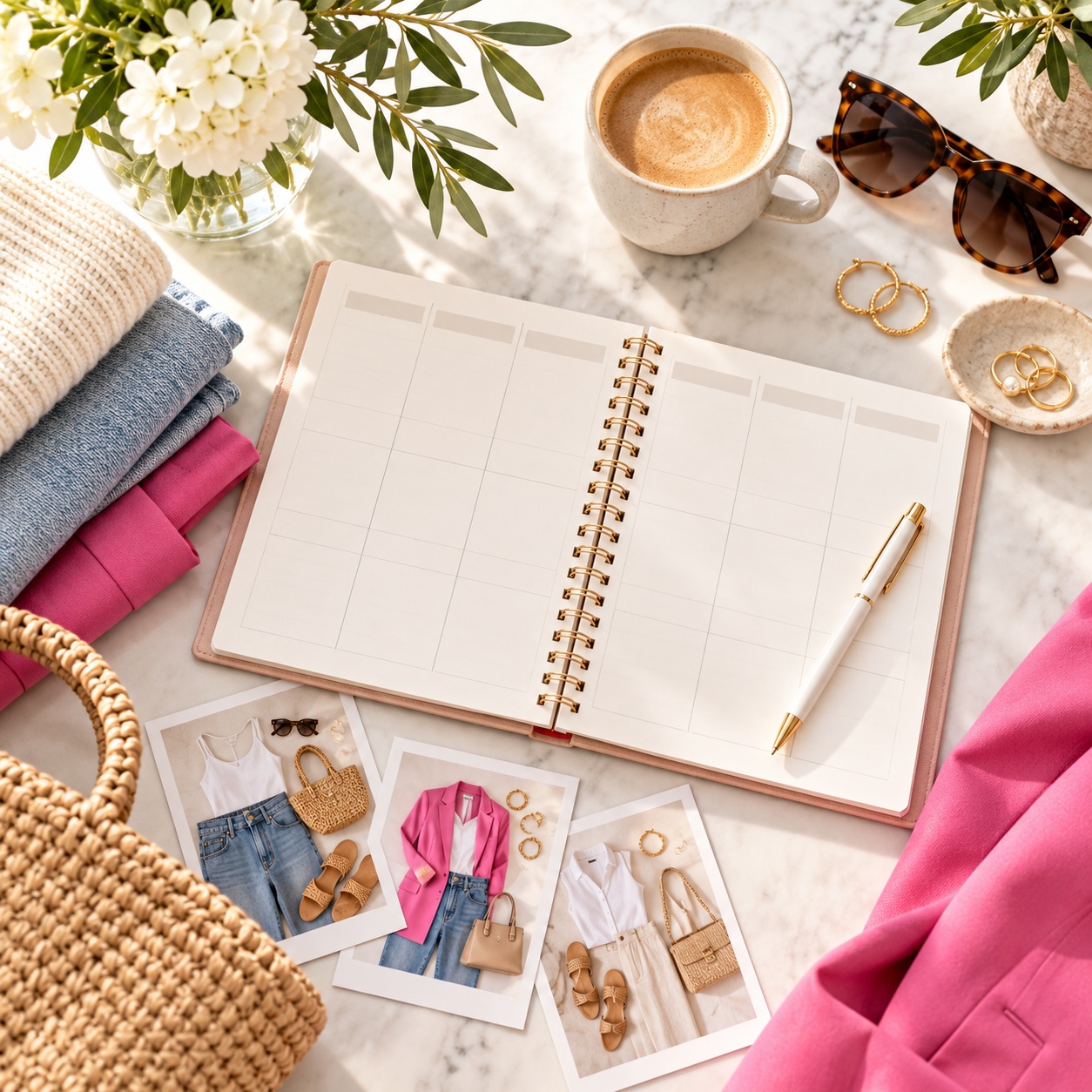
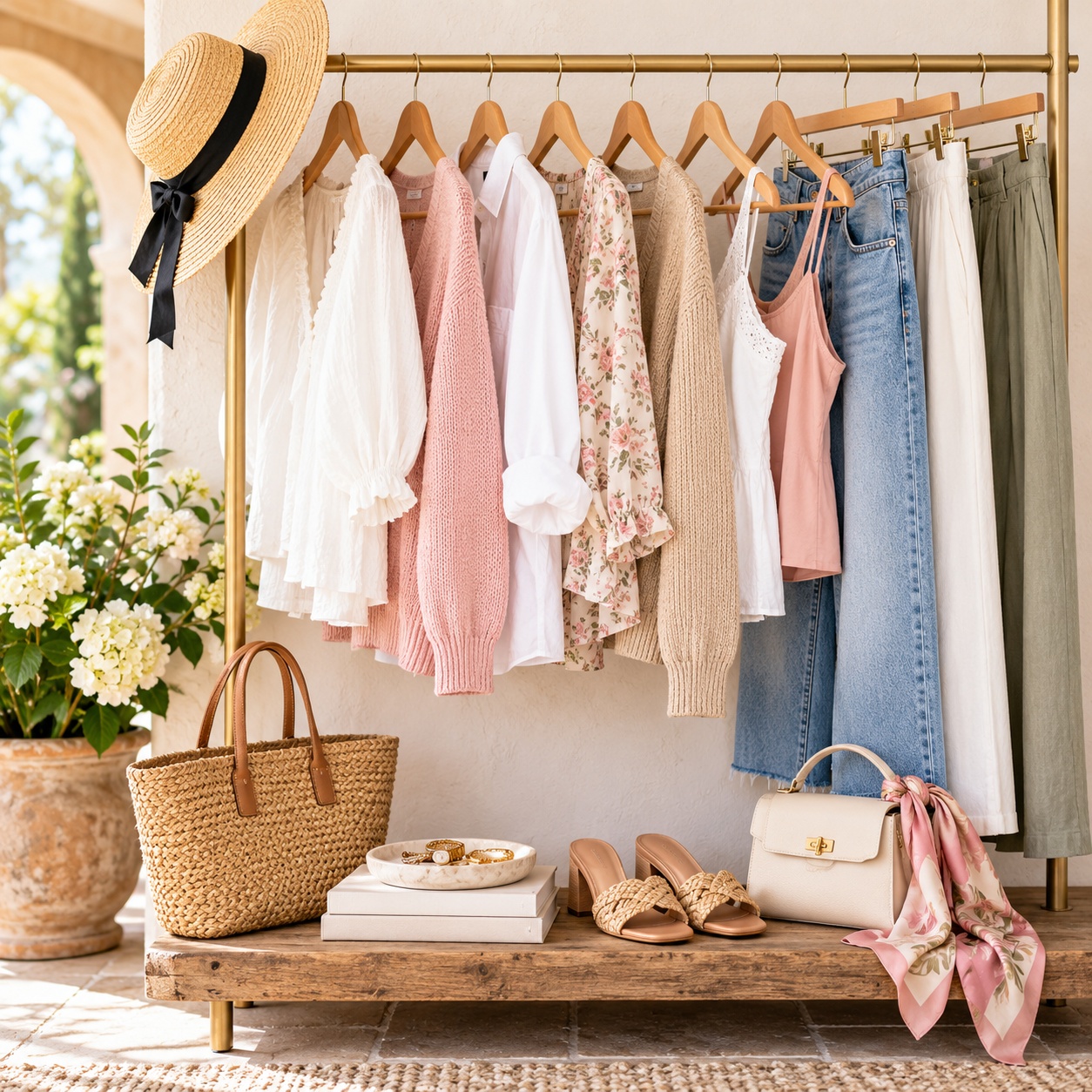
Practical wardrobe planning tools, weekly outfit planner, and capsule checklist on a calm neutral desk setup

What these tools help you do

The tools on this page are for the moment before you buy another piece of clothing. They help you slow down, look at the week in front of you, and decide what your closet actually needs to do. Instead of starting with a shopping list, start with your calendar: school runs, office days, errands, travel days, dinner plans, and the mornings when you have ten minutes to get dressed.

Used together, these pages turn outfit planning into a small repeatable habit. The weekly planner shows what you need for the next seven days. The checklist keeps you from buying duplicates. The outfit-formula guide explains why certain combinations keep working. The wardrobe-system pages help you choose the bigger route once you know what your real week asks from your clothes. That order keeps the route page light but still useful.

You do not need to use every tool at once. Pick one, use it for two weeks, and let the results show you what to keep, repeat, or replace. The best sign that a tool is working is not that your closet looks perfect; it is that fewer mornings begin with trying on five pieces and leaving all of them on the bed.

Start with the weekly planner

The weekly outfit planner is the simplest place to start because it works with the closet you already have. Write down the next seven days, then match each day to one real outfit. A day with meetings needs a different formula than a day of errands, and a day that starts cold but ends warm needs a layer that can come off without breaking the look.

After two or three weeks, the pattern becomes obvious. You will see the outfits you keep repeating, the pieces you keep avoiding, and the gaps that cause the most stress. That is the useful part. The planner is not there to make your week perfect; it is there to make the next decision smaller.

Use the checklist before shopping

Before buying anything new, run through the capsule wardrobe checklist. A checklist sounds basic, but it prevents the most common wardrobe mistake: buying for an imagined version of your life instead of the week you actually live. It separates pieces you technically own from pieces you truly reach for.

Use the checklist to mark what fits, what layers easily, what works with at least three outfits, and what only works in theory. If you keep skipping a pair of trousers because the rise is wrong, that tells you more than a trend report ever will. If you keep wearing the same black tee every Monday, that may be a staple worth duplicating.

Build repeatable outfit formulas

An outfit formula is the pattern underneath the outfit: top, bottom, layer, shoe, and sometimes a bag or belt. Once you know the formula, you can swap individual pieces without rebuilding the whole look. A blouse, straight trousers, loafers, and a cardigan becomes one formula; a tee, midi skirt, sneakers, and denim jacket becomes another.

The outfit formula explainer is useful when your closet has enough clothes but getting dressed still feels random. It helps you name the combinations that already work, then repeat them with small changes. From there, the capsule wardrobe staples page shows the kinds of pieces most formulas are built on.

Choose the right wardrobe path

Once you have a few formulas, choose the path that fits your real life. The capsule wardrobe systems page explains the larger structure: a small set of pieces that mix, repeat, and cover most of your week. That is the route if you want to rebuild the closet logic, not just plan tomorrow morning, and it keeps later shopping choices grounded.

If your week is mostly office hours, start with work outfit ideas. If you teach, use teacher outfit ideas because those guides account for movement, comfort, and long days on your feet. If fit and proportions are the priority, the midsize outfit ideas hub gives the same formula logic with more attention to shape, rise, fabric, and layer length. If coverage matters most, use modest outfit ideas.

What to do this week

Do one small pass this week, not a closet overhaul. Choose three outfits you already wear often and write down the formula under each one. Then choose one day that usually feels hard to dress for and plan it using one of those formulas. That gives you a testable result without pulling everything out of the closet.

If you want a shopping step, keep it narrow: one missing layer, one shoe that would make three outfits easier, or one replacement for a piece you already wear constantly. A tool is only useful if it changes the next decision, so let the week tell you what deserves attention. Keep a short note in your phone when an outfit works especially well; those notes become your personal formula library faster than a full closet audit.

Plan the next step

If you want a single starting point, use the weekly outfit planner today and the capsule wardrobe checklist before you shop again. If your closet is full but still hard to use, read the outfit formula explainer and write down the two formulas you already wear most. If you are ready to rebuild the bigger system, move to capsule wardrobe systems and choose the path that matches your week.