
The covered style edit
Modern style.
Your coverage.
Your rules.
Modest dressing is personal. Find wearable outfits that balance your preferred coverage, comfort, fabric weight, and a polished silhouette.
Find your outfit direction →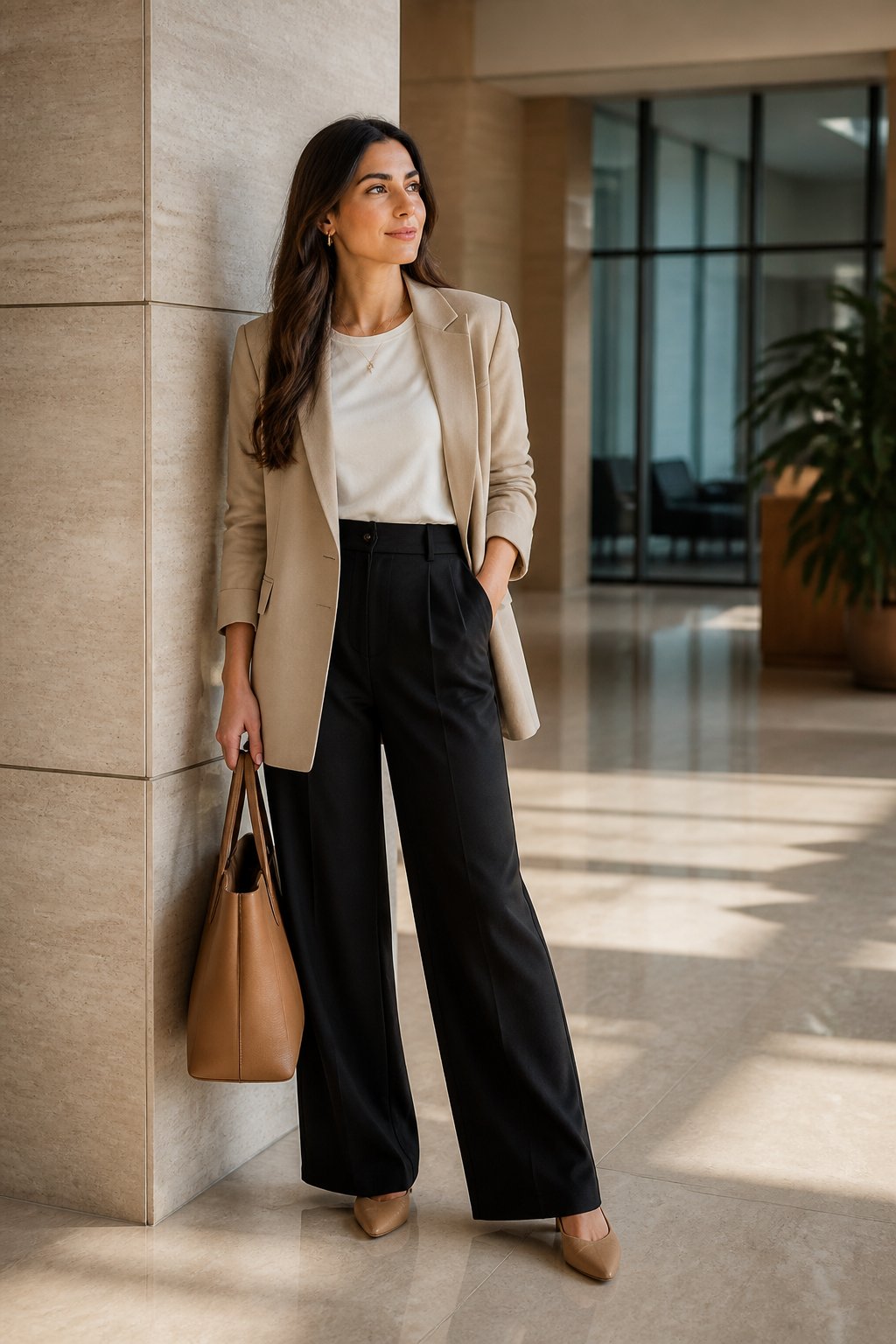
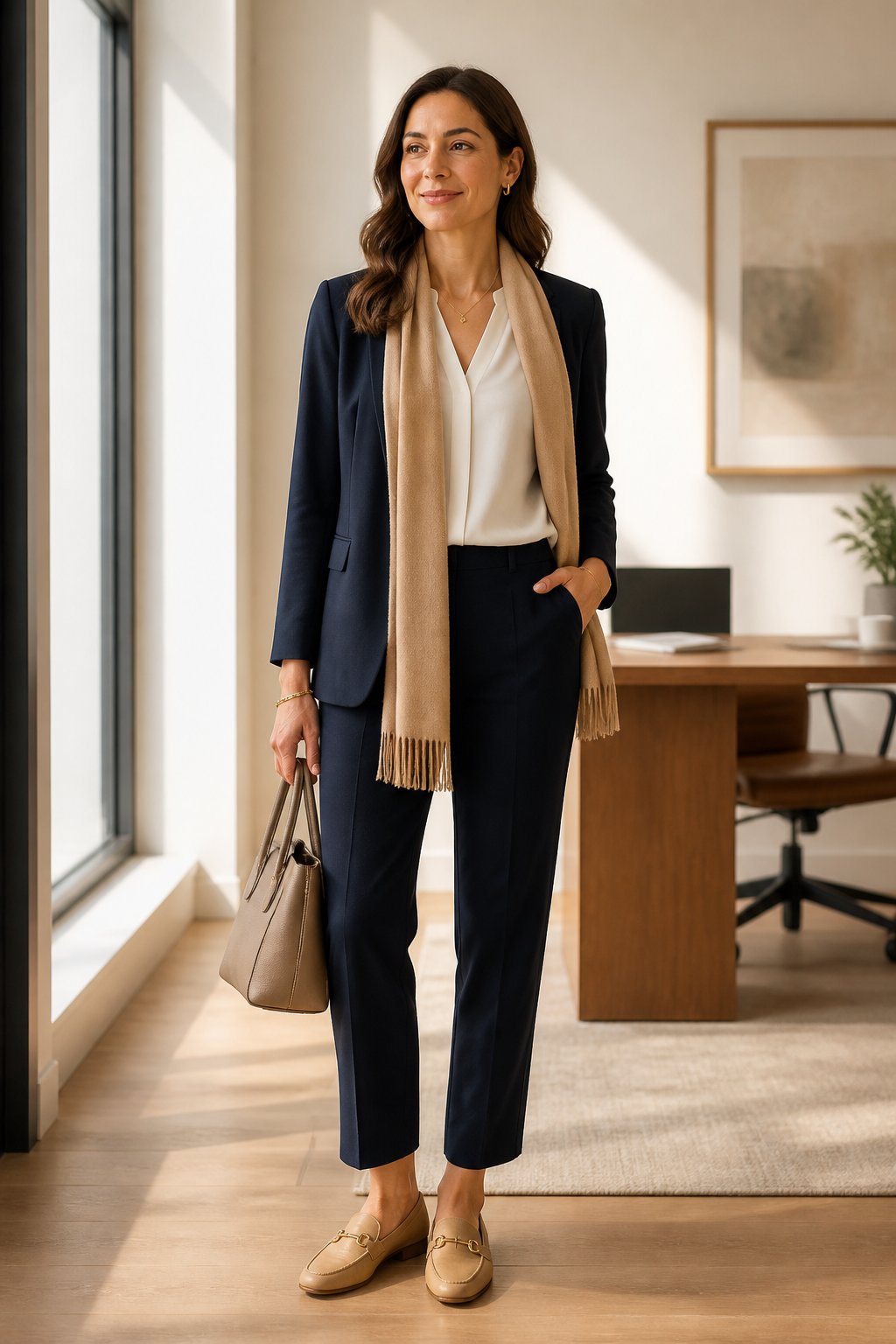
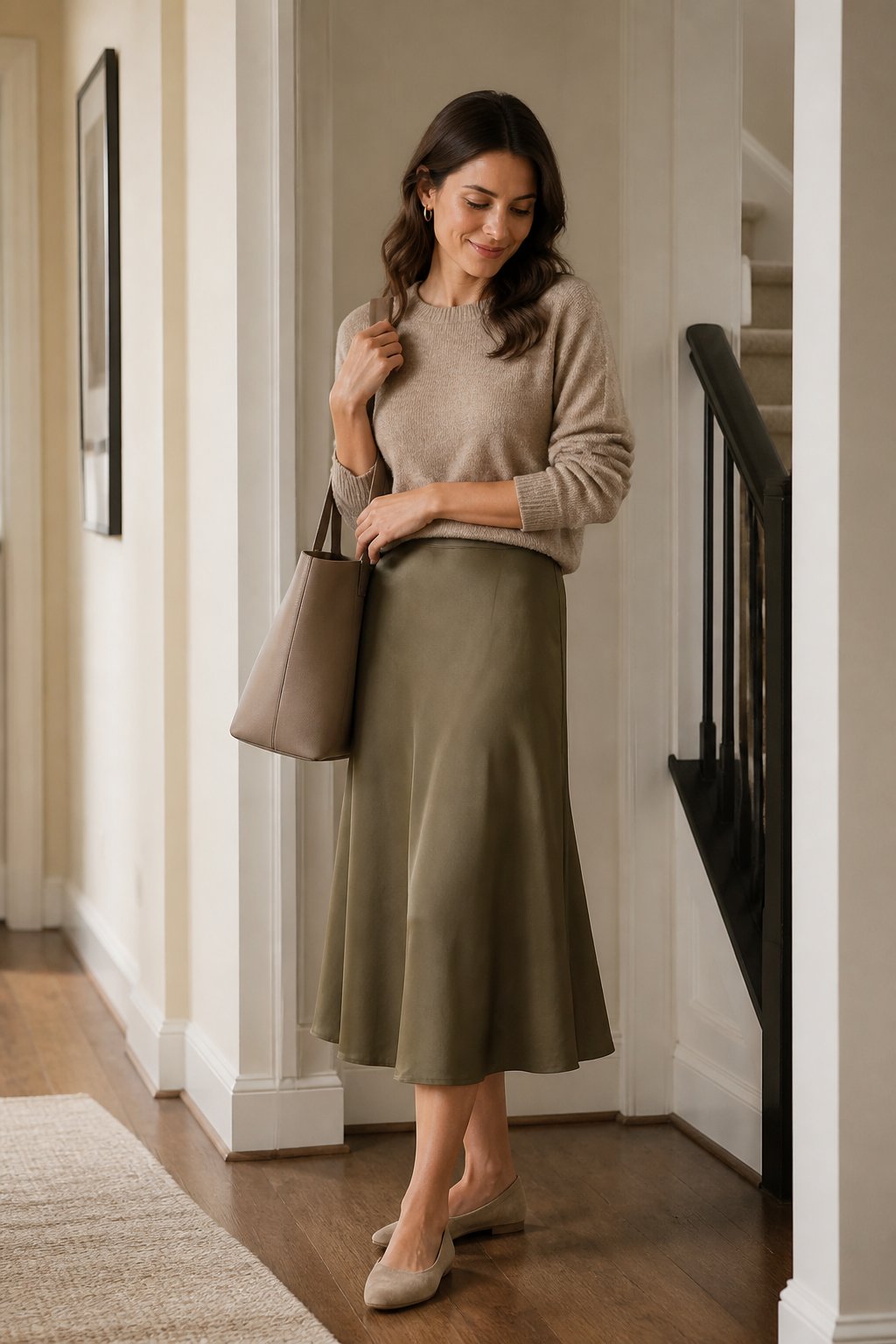
Find the right outfit path
Three ways to make coverage feel effortless.
From office dress codes to elegant everyday dressing, browse by your current need.
Modest work outfits
Workday options with coverage built into the shape.
Explore guide ↗Modest office outfits
Polished silhouettes and practical dress-code choices.
Explore guide ↗Classy modest outfits
Modern everyday outfit combinations with ease.
Explore guide ↗More than just adding a cardigan
The details that make the look.
Build coverage into your outfit choices from the start. Keep the dress code, weather, and your preferences in view.
Choose base pieces you actually like rather than relying on extra layers to fix coverage.
Use breathable materials appropriate for the climate and the day.
Use length, drape, and tailored details instead of pulling everything tight.
Pair versatile base pieces with formulas that travel between work and weekends.
Build a wardrobe around your own preferences.
Choose practical staples first, then use real-week planning to test your favorite outfits.
Modest outfit ideas can be current, polished, and personal — whether you dress modestly for cultural, religious, or comfort reasons, or simply prefer a more covered silhouette. This hub brings together every modest-focused article on The Outfit Method so you can find covered, intentional outfits that work for the office, everyday life, and polished casual settings.
The articles below cover workwear, office style, and classy everyday dressing. Each one contains 10–15 specific outfit combinations with practical guidance on coverage, fabric weight, layering, shoe choice, and proportion.
Where to start
If you are building a modest work wardrobe, your best starting point is capsule wardrobe staples. Strong base pieces — well-cut trousers, versatile midi skirts, high-neck tops, and clean layers — make modest dressing feel intentional rather than limiting. Once you have those core pieces, the articles in this hub give you the outfit formulas to build on them.
If you already have a working wardrobe but your outfits feel repetitive or heavy, jump to the section that matches your biggest need. Most modest-dressing women find that improving one category — work outfits or polished casual — makes the whole closet feel more current.
Modest work outfits
Work outfits that are both modest and modern require a focus on proportion and fabric rather than just adding layers. Modest work outfits offers 10 professional formulas built around longline blazers, high-neck blouses, midi dresses with cardigans, tunic shirts, and structured vests — all with coverage built into the design rather than added as an afterthought. Each idea includes guidance on fabric weight, layering strategy, and shoe choices that keep the look polished through a full workday.
Modest office outfits
Office-specific modest dressing benefits from pieces that read as professional and current without requiring constant adjustment. Modest office outfits covers relaxed suits, pleated trousers with buttoned knits, belted shirt dresses, sweater vests, and monochrome combinations — all with practical notes on desk comfort, meeting polish, and seasonal adaptation. The article addresses the specific challenges of modest office wear: coverage that stays put when you sit, layers that do not add bulk, and fabrics that hold their shape through the day.
Classy modest outfits
For everyday dressing beyond the office, classy modest outfits focuses on polished casual looks that feel refined without being formal. These outfits work for lunches, weekend plans, family gatherings, and any setting where you want to feel covered and put together without dressing for a boardroom. The article emphasizes soft layers, feminine silhouettes, and accessories that add polish without adding exposure.
Work capsule wardrobe ideas
Beyond the modest-specific articles, work capsule wardrobe ideas provides the broader system for building a professional wardrobe that repeats without feeling repetitive. Combine this with the modest work and office articles above for a complete system — the capsule framework tells you which pieces to own, and the modest-specific guides show you how to wear them with the right coverage.
Work outfit formulas
Once your modest work wardrobe has its core pieces, work outfit formulas helps you turn those pieces into daily combinations. The formula approach — repeating the same silhouette logic with different colors and textures — is especially useful for modest dressing because it reduces the number of decisions you need to make each morning while keeping the outfits looking fresh.
How to build a modest wardrobe that does not feel heavy
A helpful approach to modest dressing is choosing base pieces that already carry the coverage you prefer — a midi dress with sleeves, a high-neck blouse with structure, trousers with a clean rise — and then adding one light layer for polish rather than stacking multiple pieces for coverage. This keeps the outfit feeling light and intentional rather than heavy or overbuilt.
Fabric weight matters enormously in modest wardrobes. A ponte knit or a crepe weave holds shape and reads as professional, while flimsy fabrics can make the same coverage look accidental. Invest in fabrics with some structure and you will find that fewer pieces can create more outfits — the articles in this hub flag fabric recommendations within each outfit idea.
Frequently asked questions
How do I keep modest outfits from looking dated?
The fastest way to modernize a modest wardrobe is to focus on proportion rather than coverage alone. A midi skirt with a current silhouette — A-line, soft pleat, or wrap — reads as modern even when the hemline is conservative. Clean shoe shapes in neutral tones, minimal jewelry, and fabrics with some movement all help modest outfits feel current rather than traditional. The articles in this hub prioritize these details in every outfit idea.
Can modest work outfits also work for weekends?
Many of the core pieces in a modest work wardrobe — midi skirts, straight trousers, fine-gauge knits, structured cardigans — transition easily to weekend wear when you change the shoe and layer. Swap loafers for clean sneakers, or a blazer for a soft cardigan, and the same base outfit reads casual instead of corporate. The capsule wardrobe staples guide explains how to choose pieces that serve double duty across work and weekend.
Why modest dressing benefits from a focused approach
Modest dressing can feel limiting if you approach it as a list of restrictions — no short hemlines, no low necklines, no sleeveless tops. But when you flip the framing and treat coverage as a design constraint rather than a limitation, the wardrobe becomes easier to build and more satisfying to wear. The articles in this hub approach modest dressing from a place of intention: each outfit is designed with the coverage built into the pieces themselves rather than added through extra layers.
Modest dressers span many different definitions — some cover arms and legs, some prioritize neckline coverage, some layer for cultural or religious reasons, and some simply prefer a more covered silhouette. The articles here work across those variations by giving you the principles (fabric weight, layering strategy, proportion management) and letting you apply them to your specific coverage preferences.
The most useful modest wardrobe pieces
If you are building a modest wardrobe, these five pieces will do more work than anything else: a well-cut midi dress with sleeves (one piece, complete coverage, zero layering required), high-neck blouses with structure (coverage at the neck without a scarf or camisole), straight-leg trousers in a ponte or crepe fabric (professional, comfortable, and seasonless), a longline blazer or structured cardigan (adds polish and optional coverage), and a midi skirt with movement (feminine, covered, and easy to style with different tops).
The key to a modest wardrobe that does not feel heavy is choosing base pieces that already carry the coverage — so you are adding one light layer for polish rather than three layers for coverage. The articles in this hub flag this distinction in every outfit idea.
How to shop for modest pieces that do not look frumpy
The difference between a modest outfit that looks current and one that looks dated often comes down to three things: proportion, fabric, and shoe shape. A midi skirt with a modern cut — soft A-line, wrap, or gentle pleat — reads completely differently than a stiff, straight midi from a decade ago. The same hem length, but a completely different effect.
When shopping for modest pieces, look for these signs of a current cut: a defined but not tight waist, sleeves that are set in rather than dropped, necklines that are designed to sit higher rather than altered to do so, and hemlines that hit at a intentional point (mid-calf, tea-length, or ankle) rather than an arbitrary length. The articles in this hub flag these fit details within each outfit idea.
Fabric is the single most overlooked variable in modest dressing. A crepe or ponte fabric holds its shape and reads as intentional; a thin jersey or cheap polyester can make the same coverage look accidental even when the outfit formula is identical. Invest in fabric before you invest in quantity — three well-made pieces in good fabrics will outperform ten pieces that look worn out after a few washes.
Explore the articles
Plan the next step
Start with capsule wardrobe staples to build a strong foundation, then explore modest work outfits or modest office outfits for specific formulas. The weekly outfit planner can help you test your rotation across a real week.