
8 Everyday Boho Outfits with One Clear Statement Element
You can enjoy a flowing skirt, a textured vest, or a patterned scarf without building a whole outfit around every boho reference at once. A single expressive piece can be enough for an ordinary lunch, errand, or relaxed evening. Start with a base you already wear, then decide which detail you want to lead.
“Boho” is a broad styling label here, not a claim about the origin of a pattern or the identity of the person wearing it. The examples use recognizable garment features—movement, open texture, embroidery, fringe, and print—without treating them as a costume checklist. If an item has a specific cultural origin or meaning, learn about that actual piece rather than assuming a general fashion label explains it.
These eight formulas each give one statement element a practical role. The supporting clothes remain familiar, and every outfit includes a check you can do before leaving. Adapt the colors, sleeve lengths, and coverage to your preferences; the goal is an expressive combination that still works in your day.
1. An Embroidered Blouse with Straight Jeans
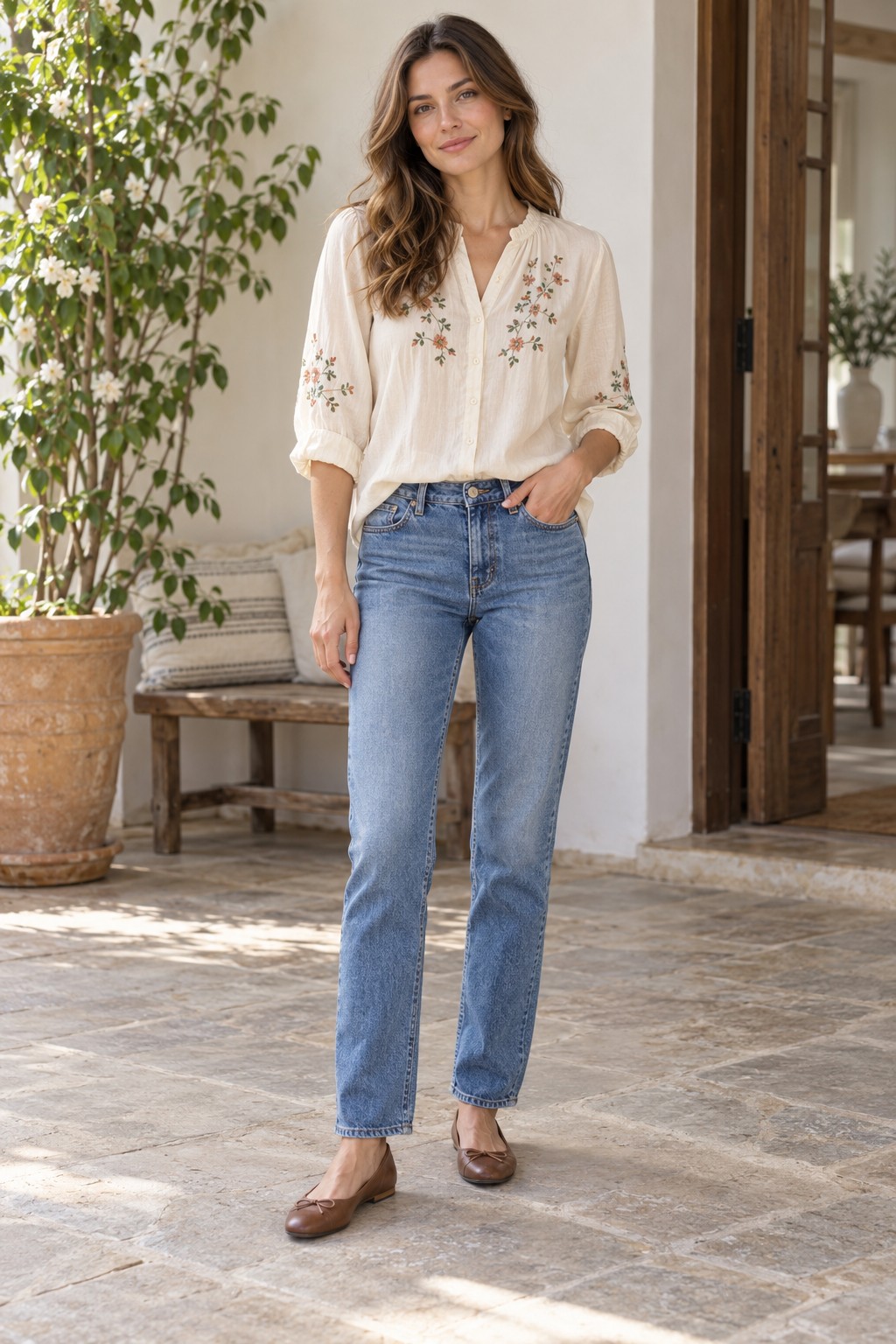
Choose a cream blouse with simple floral embroidery, straight blue jeans, and brown flats. The blouse carries the detail, while the jeans give you a familiar lower half. Start without a second patterned accessory so you can see whether the embroidery already supplies the interest you want.
Check the blouse sleeves in the activities you expect. A loose cuff may look appealing but catch at a desk or dip toward a plate. Try a secure cuff arrangement if the design allows it, or choose a sleeve length that suits the plan. Do not rely on holding the sleeve back throughout the day.
Look at the blouse and jean waistband together. A soft front tuck can show the embroidery differently from an untucked hem. Choose the version that remains comfortable when seated, especially if the embroidered area has more texture than the rest of the fabric.
Use a bag that carries your essentials without covering the detail you wanted to show. If a crossbody strap crosses the embroidery, decide whether you like that arrangement in practice. The formula can be repeated with another embroidered top, but check the actual sleeve and neckline rather than assuming all decorative blouses fit the same way.
2. A Flowing Printed Skirt with a Plain Tee
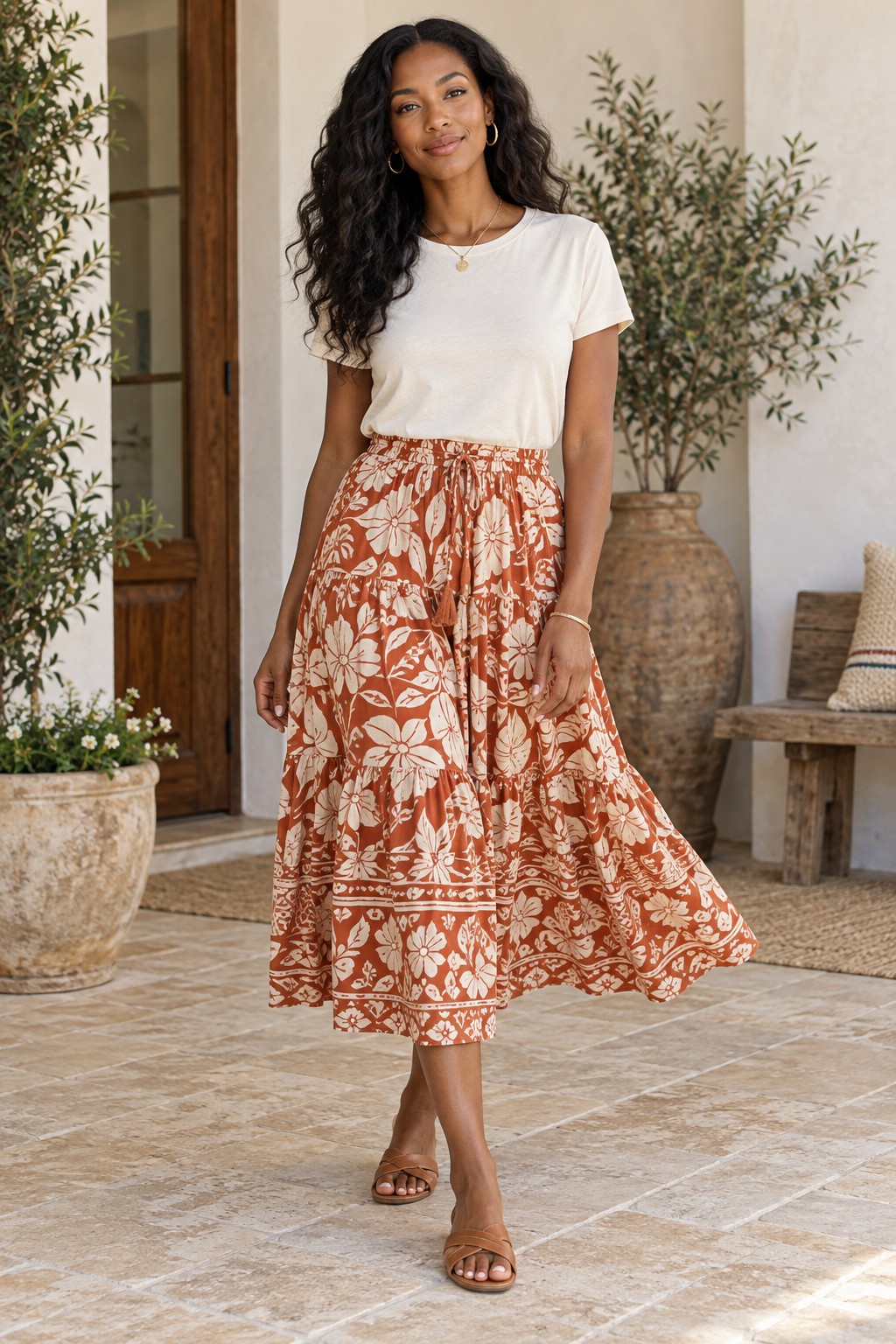
Pair a rust-and-cream flowing printed midi skirt with an ivory tee and tan flat sandals. Let the skirt provide both pattern and movement. The plain tee gives the outfit a quiet area without making it feel incomplete.
Walk and turn before judging the hem. A skirt that moves freely may also swing toward a sandal buckle or collect between your feet when you sit. Check the actual length with the shoes on and choose a hem you can manage without repeatedly lifting it.
Try the tee untucked and with a simple tuck. A thick roll of fabric inside an elastic waistband can become uncomfortable, so compare a lighter top or shorter finished hem if needed. You do not have to create a tightly defined waist to wear a moving skirt.
Keep the bag relatively plain for the first version. If the print contains a color already present in your shoes or bag, that can create an easy connection, but exact matching is optional. Save the skirt’s successful shoe pairing with the outfit. A change from flat sandals to a higher shoe may alter the floor clearance and the way the hem behaves, even if the colors still look right.
3. An Open-Texture Vest over a Complete Base
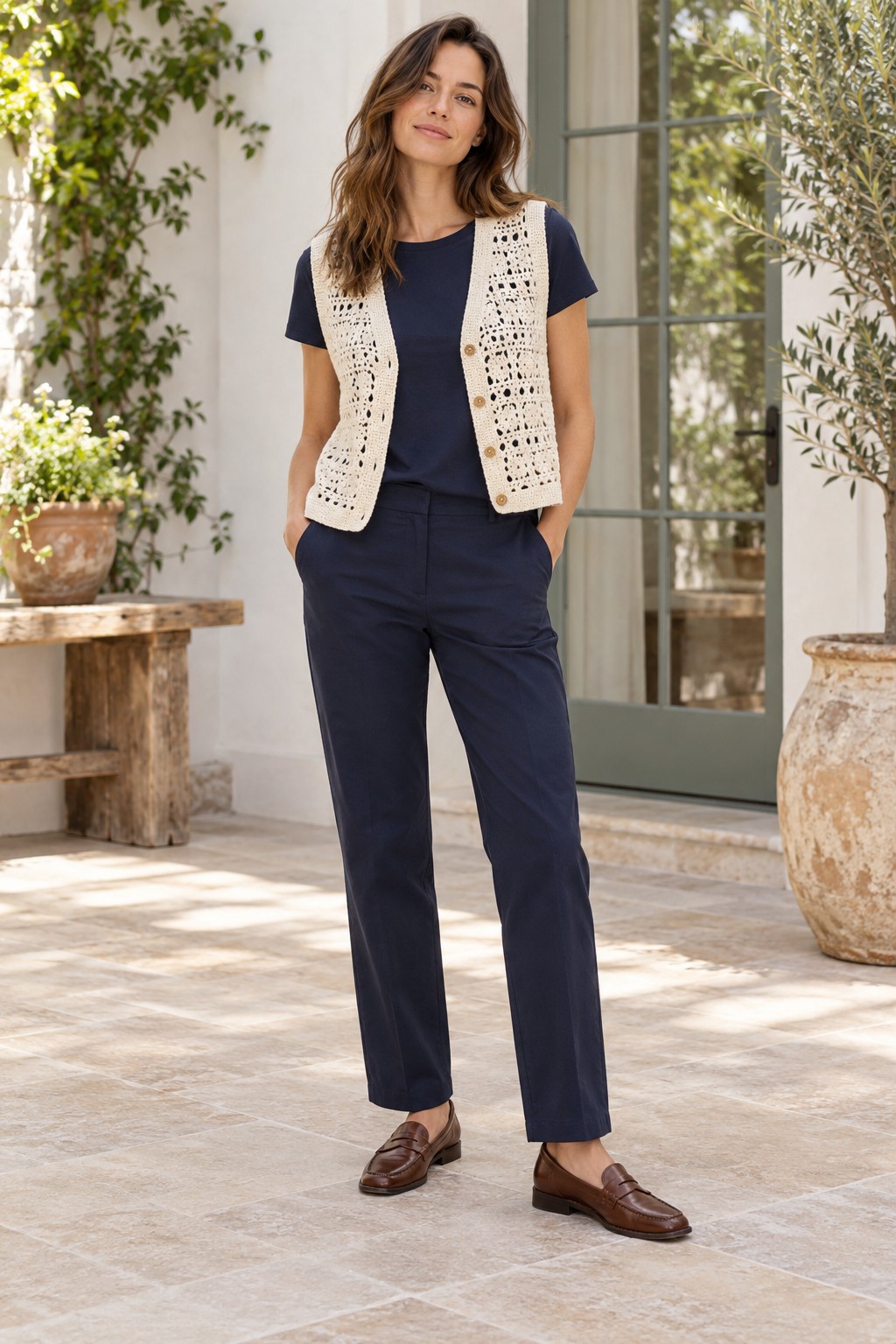
Use a cream open-texture vest over a navy tee and navy straight trousers, finished with brown loafers. The vest adds visible texture while the base remains complete and covered when it comes off.
Check the armholes and shoulder seams over the actual tee. A textured edge can sit comfortably or rub in a way you dislike; the photograph cannot tell you which. Reach forward and bend your elbows, then notice whether the vest shifts toward the neck or hangs as intended.
Look at the vest hem against the tee hem. You may enjoy a visible layer below it, or prefer the tee to finish inside the trouser waistband. Compare those versions before adding another accessory. Several small edges in the same area can feel busy even when every piece is neutral.
For practical tasks, notice whether the open texture catches on your bag hardware or chair. Handle the garment according to its care guidance and avoid treating a delicate-looking stitch as automatically fragile or strong. This is a useful formula when you want a removable decorative layer, rather than substantial weather protection. If the day needs a coat, test it over the whole combination and check that the vest remains comfortable beneath it.
4. A Soft Printed Dress with Plain Ankle Boots
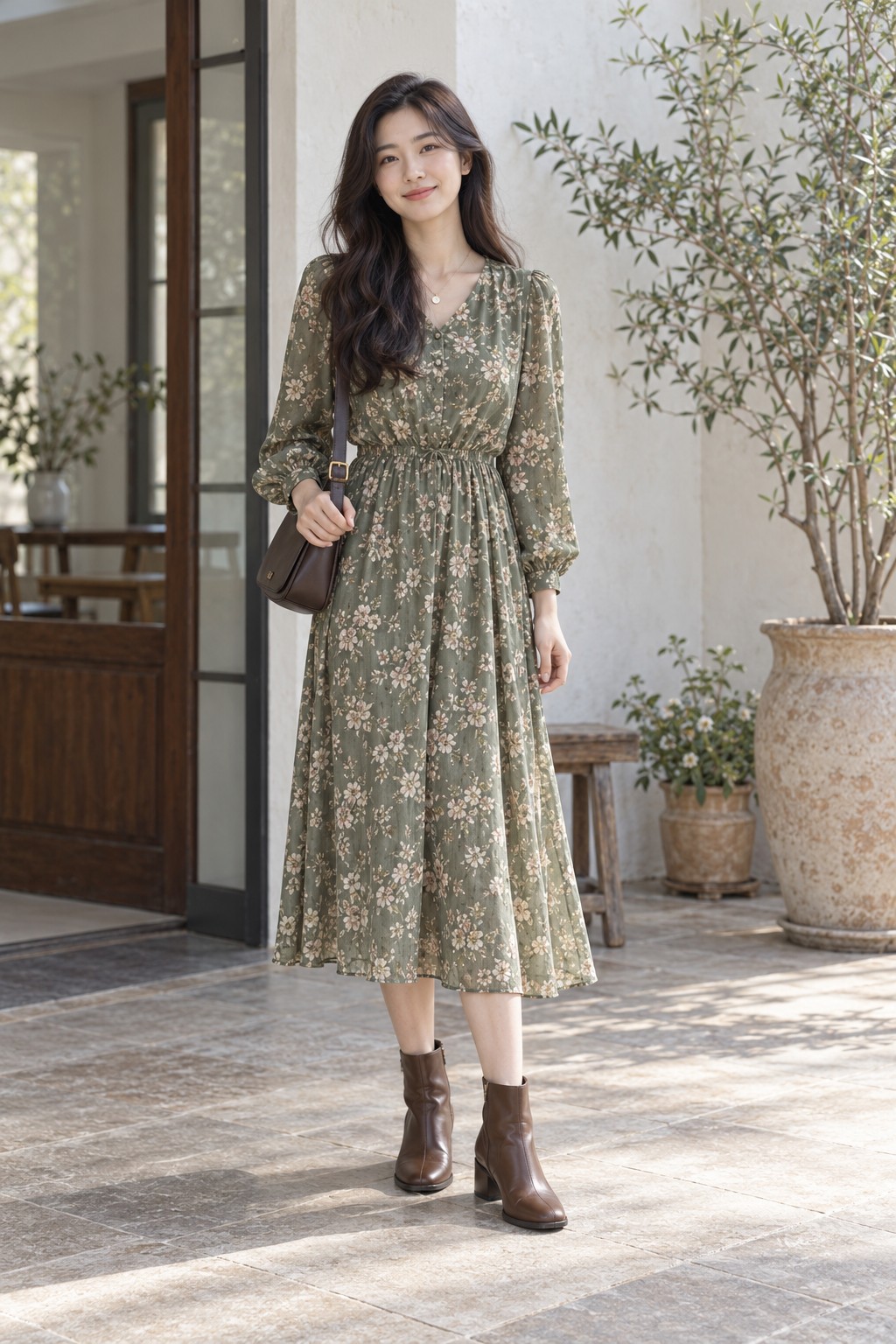
Try a muted green floral midi dress with plain brown ankle boots and a simple dark bag. The dress leads the outfit. The boots provide a clear lower finish without requiring fringe, a hat, and several extra references at the same time.
Check the dress in motion with the actual boot shaft. The hem may overlap, stop above, or swing near the shaft. Choose the relationship you like and make sure the fabric does not catch repeatedly when you walk. A still front view is not enough to assess that interaction.
Sit down to check the neckline, sleeve room, and lap coverage you want. If you add a cardigan, remove it once and look at the dress-based outfit on its own. The base should suit the indoor portion of the day too.
Choose footwear for your actual route rather than assuming a boot shape guarantees comfort or weather performance. A familiar pair that you already know works for you is a useful starting point. If the dress has a busy print, keep the outer layer plain for the first wear. You can add more detail later, but start with the combination that lets you judge the garment and shoe interaction clearly.
5. A Fringe Bag with a Quiet Trouser Outfit
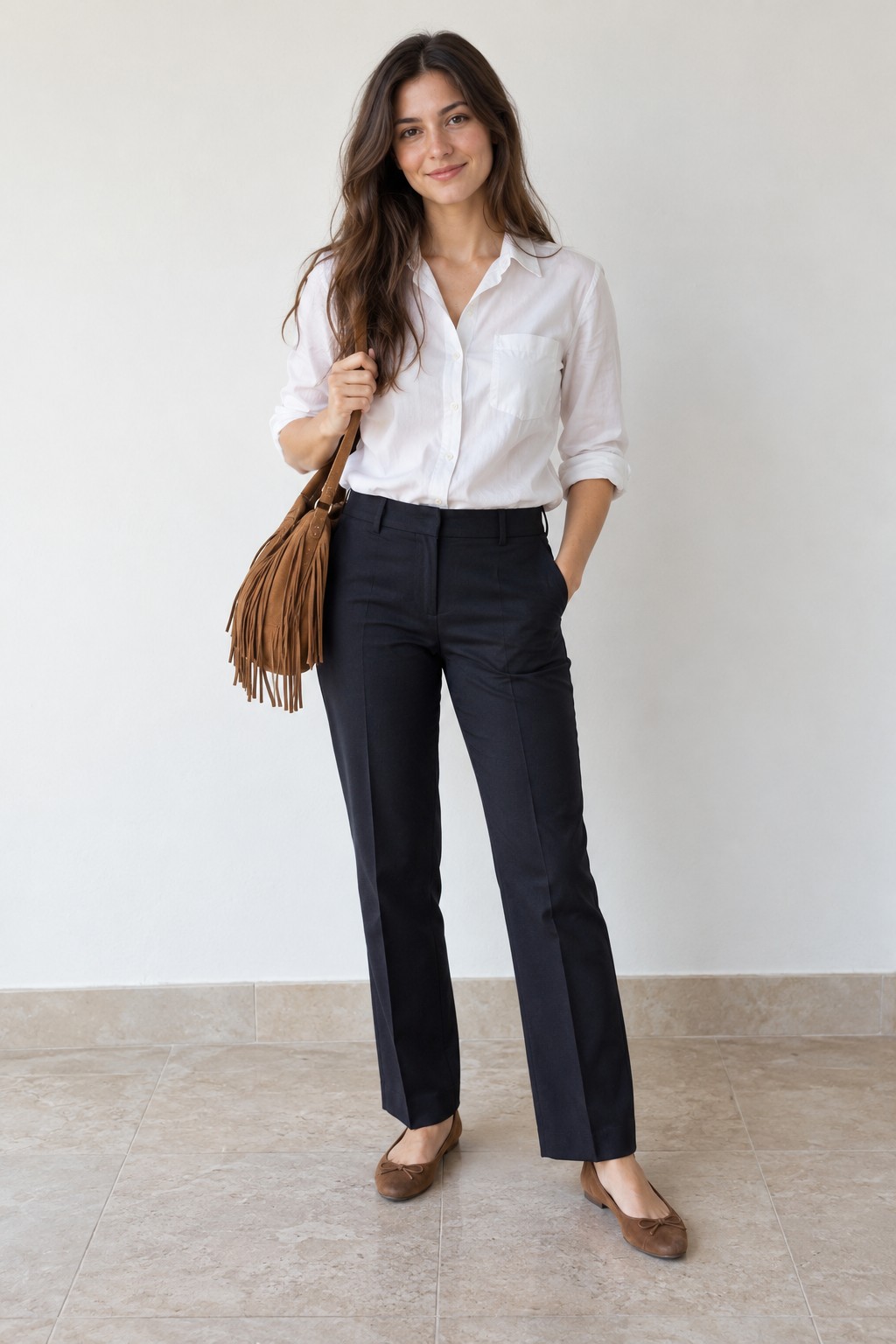
Build a quiet base from a white shirt, dark straight trousers, and brown flats. Add a brown fringe shoulder bag as the statement element. This lets you try the detail without changing the clothes you already rely on.
Wear the bag with a normal load and walk. Notice where the fringe falls against the shirt, trousers, and your hands. If it catches on a chair, door handle, or another item you carry, choose a different carrying arrangement or reserve the bag for a plan where it is easier to manage.
Check the strap over the actual shirt or outer layer. A bag that stays put on a thin top may slip over a smooth coat. Adjust the strap as the design allows, then repeat the movement. Do not judge carrying comfort from an empty bag held briefly in front of a mirror.
The fringe does not need to match another detail in the outfit. Keep the shoes plain if that makes the combination easier to finish. If you decide the bag is inconvenient for this day, the base still works with another bag. That is the advantage of introducing one statement element: you can change it without rebuilding the entire outfit.
6. A Textured Cardigan with a Plain Midi Dress
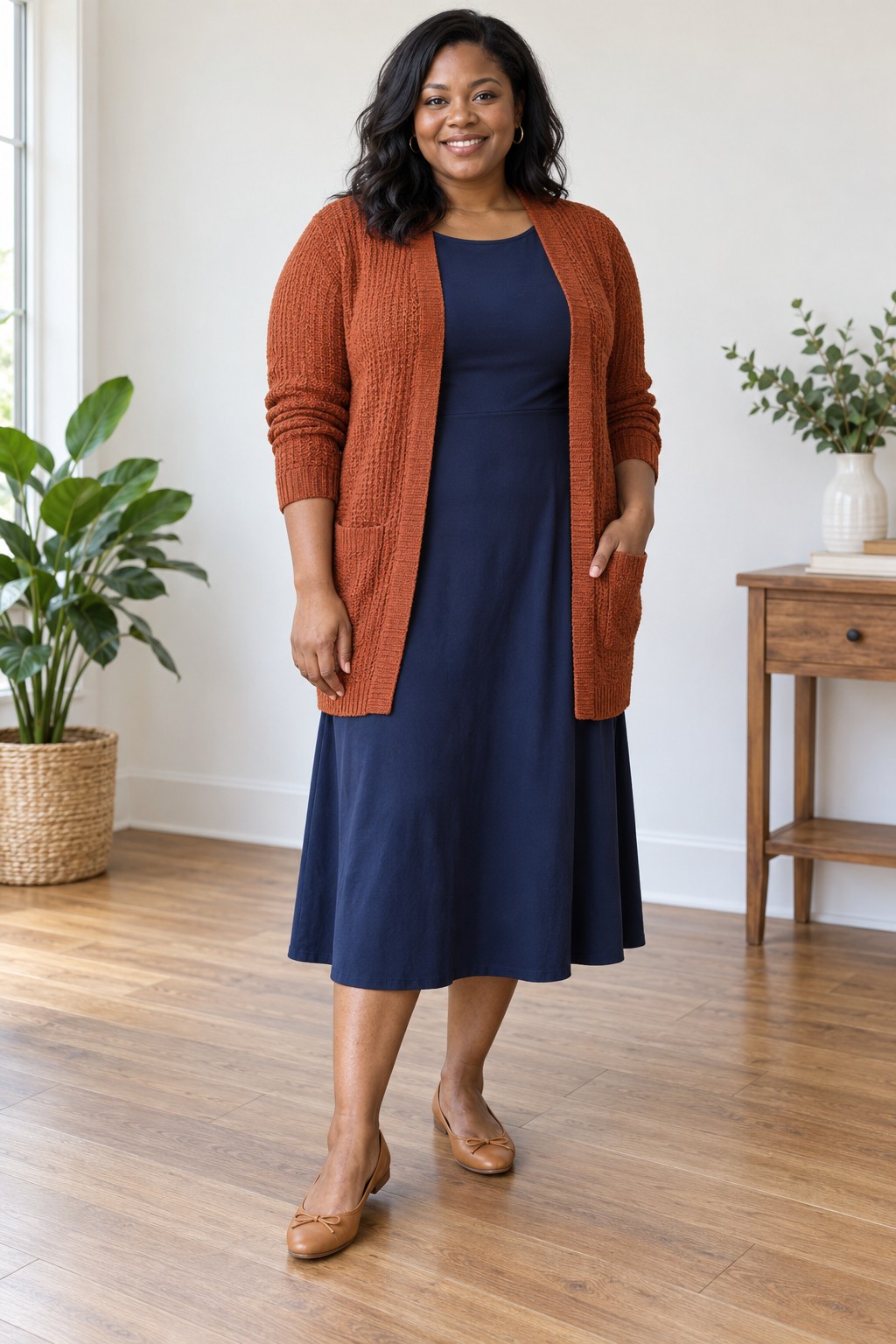
Choose a rust textured cardigan, plain navy midi dress, and tan flats. The cardigan supplies color and surface detail, while the dress offers a continuous quiet base. Wear the knit open if you want the dress to remain clearly visible.
Check the sleeves together. A full dress sleeve may bunch beneath a narrow cardigan sleeve, even when both garments fit well alone. Put the layers on, bend your elbows, and reach forward. Compare a roomier cardigan or a smoother dress sleeve if the combination feels crowded.
Walk and sit to see how the textures interact. If the cardigan rides upward or catches against the dress, notice whether it settles naturally when you stand. A combination that needs constant rebuilding may be less useful for a busy plan.
The rust is an example rather than a requirement for this aesthetic. A favorite blue or green textured knit can perform the same role. Use the outfit formula method to save the structure and the exact successful garments. Record the dress, cardigan, and shoes, plus one note about sleeve room or hem behavior, so the next wear starts from practical evidence.
7. A Patterned Scarf with a Denim-and-Knit Base
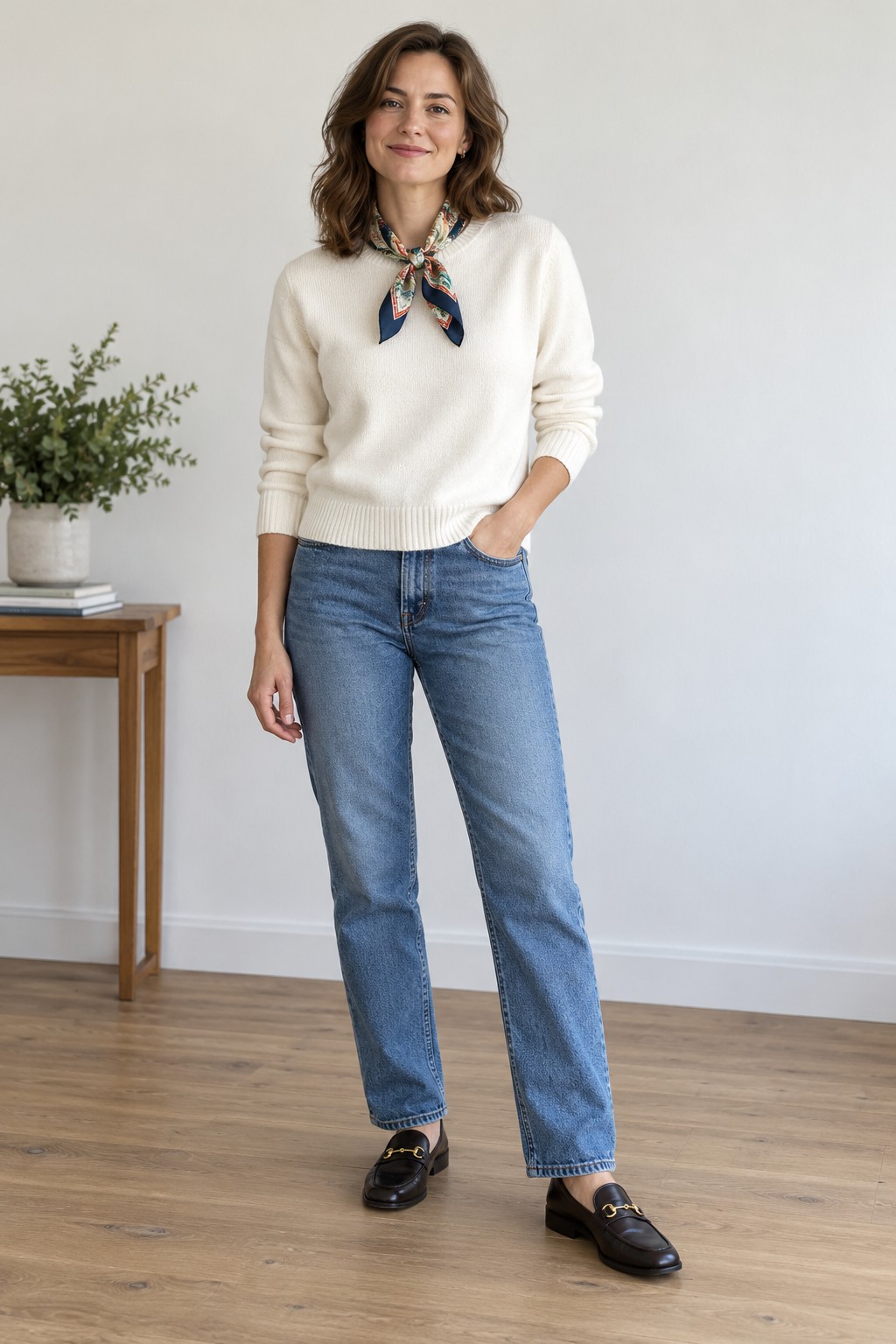
Pair a plain cream knit, straight blue jeans, and dark loafers with a small multicolor patterned scarf. The scarf gives you a concentrated area of detail while the familiar base keeps the outfit easy to repeat.
Choose a scarf arrangement that suits the day’s tasks. A small loose knot and a scarf attached to a bag create different visual effects and different practical demands. If loose ends are inconvenient for what you will be doing, choose another placement or leave the scarf out for that part of the day.
Look at the scarf colors beside the knit in ordinary light. You can repeat one of them in a bag if you enjoy that connection, but you do not need to echo every color. The jeans can remain the same pair you already know works with the loafers.
Check the neckline both with and without the scarf. If you expect to remove it indoors, keep a place for it in the bag. This is a low-commitment way to explore a more expressive detail because the main outfit remains complete. A scarf is optional; if the base feels better without it, that is a useful choice rather than a failure to complete the style.
8. A Relaxed Patterned Shirt with Plain Wide Trousers
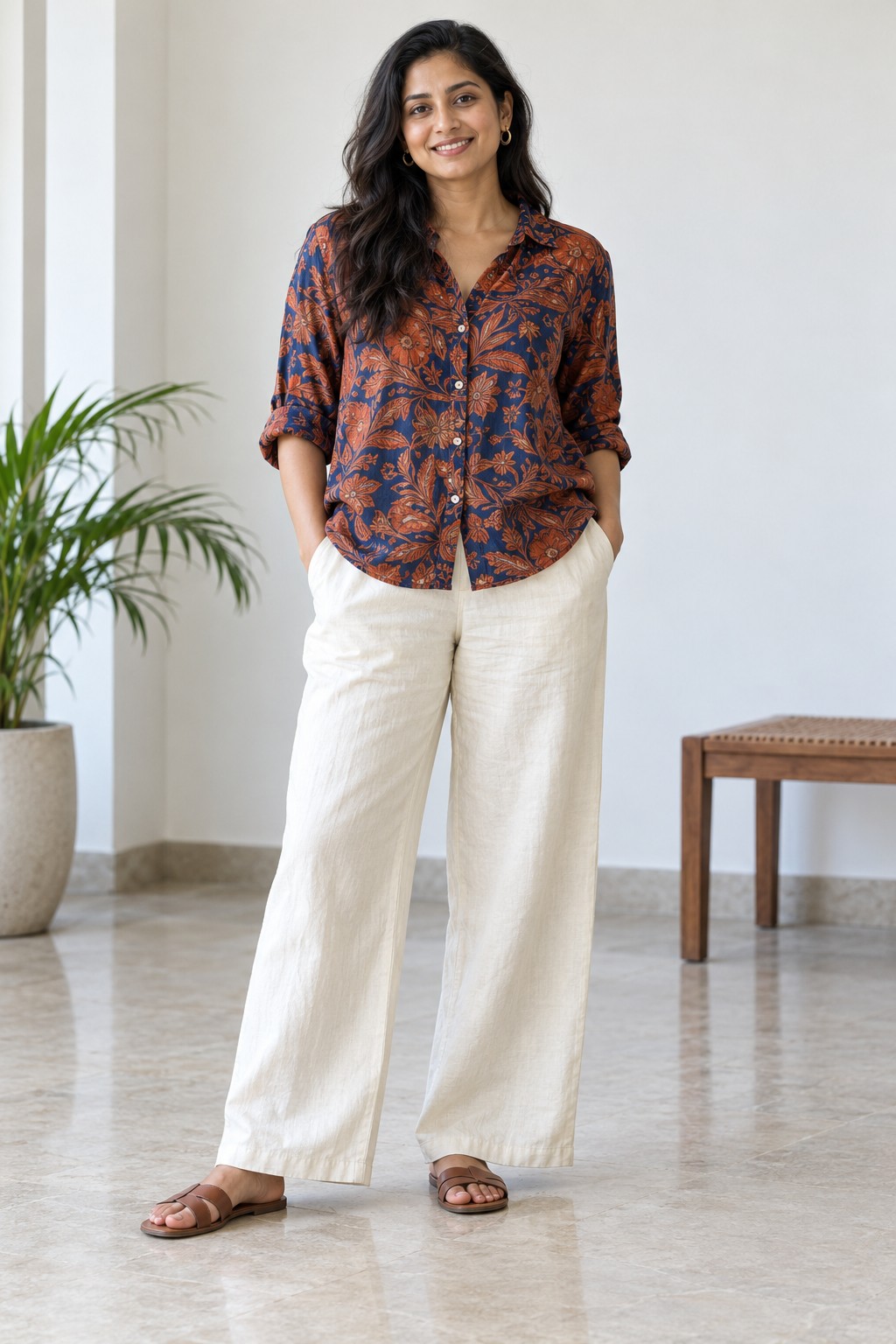
Finish with a relaxed rust-and-navy patterned shirt, cream wide-leg trousers, and brown flat sandals. The shirt leads through print, while the plain trousers give the pattern room to stand out.
Choose the shirt finish according to its cut. A full tuck can feel substantial inside a waistband, especially if the fabric gathers. Compare a partial tuck or a shorter untucked version if you prefer less bulk. The relaxed shape does not need a belt to make it valid.
Wide trousers need a floor check in the sandals. Walk, turn, and look at the back hem. If the fabric slides beneath a heel or catches at a fastening, choose another length or shoe pairing. A flowing outline should still allow ordinary movement.
Add a plain bag first. If an outer layer is needed, try a solid color already present in the outfit and check sleeve room over the shirt. You can make the styling richer later, but the first version should tell you whether the shirt, trousers, and shoes work together. Save that combination in your weekly outfit planner for a day with similar demands.
Choose the Detail Before Adding More
Start with one piece you already enjoy. Name what it contributes: an embroidered surface, a moving print, an open texture, or a bag detail. Then choose supporting garments for comfort, coverage, and the plan. You are building an outfit around a useful feature, not collecting a required set of aesthetic symbols.
If the combination feels too busy, remove one additional detail and look again. If it feels too quiet, add something because you want it. There is no fixed amount of jewelry or pattern that makes the outfit successful. Your preferred level of detail can change with the day.
For a practical comparison, keep the base and shoes the same while changing only the statement piece. Try the patterned scarf with your usual knit and jeans, then try the textured vest over the same base if the layers allow it. Notice which version is easier to wear, remove, and store during the plan.
After wearing the outfit, write down one observation worth keeping. A sleeve that stayed manageable, a bag that carried well, or a skirt that moved freely is more useful than a general label such as “boho enough.” Repeating a successful combination gives you a personal reference you can adapt without buying a whole new wardrobe.
Keep these outfit ideas handy.
Save this guide on Pinterest (opens in a new tab)More ideas for your wardrobe
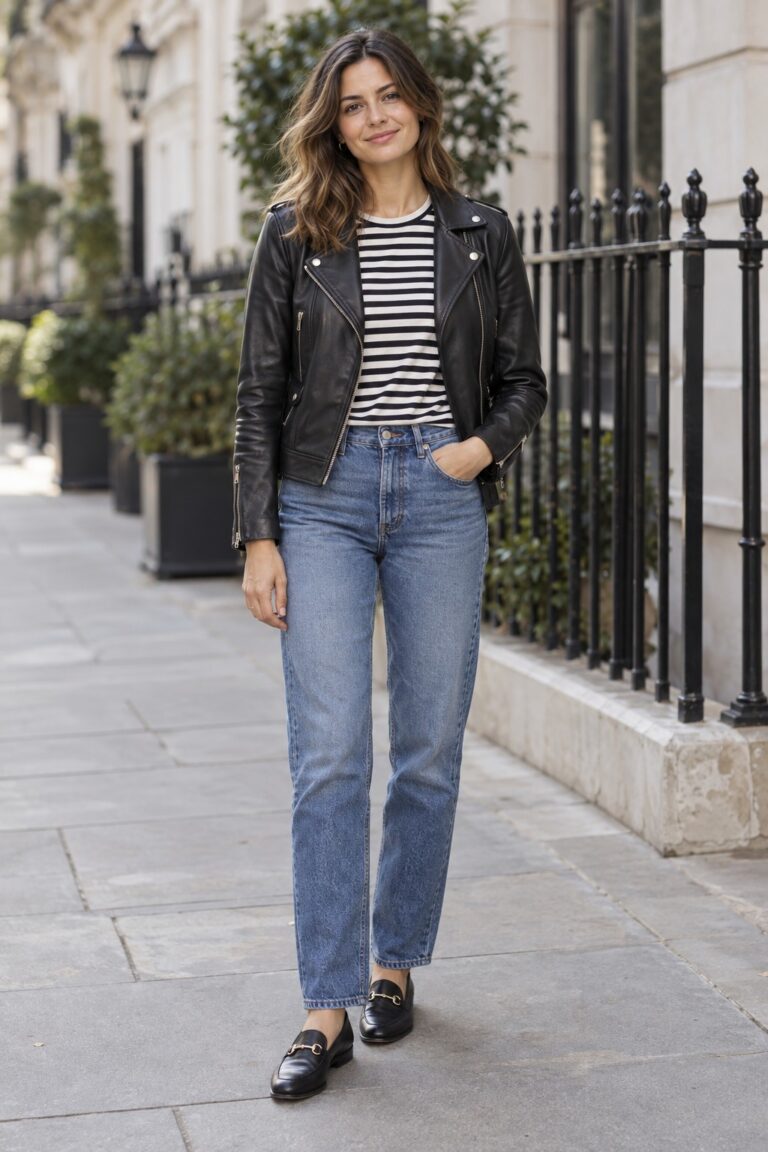 Capsule Wardrobe Systems7 Leather Jacket Outfits That Still Work When You Take the Jacket Off
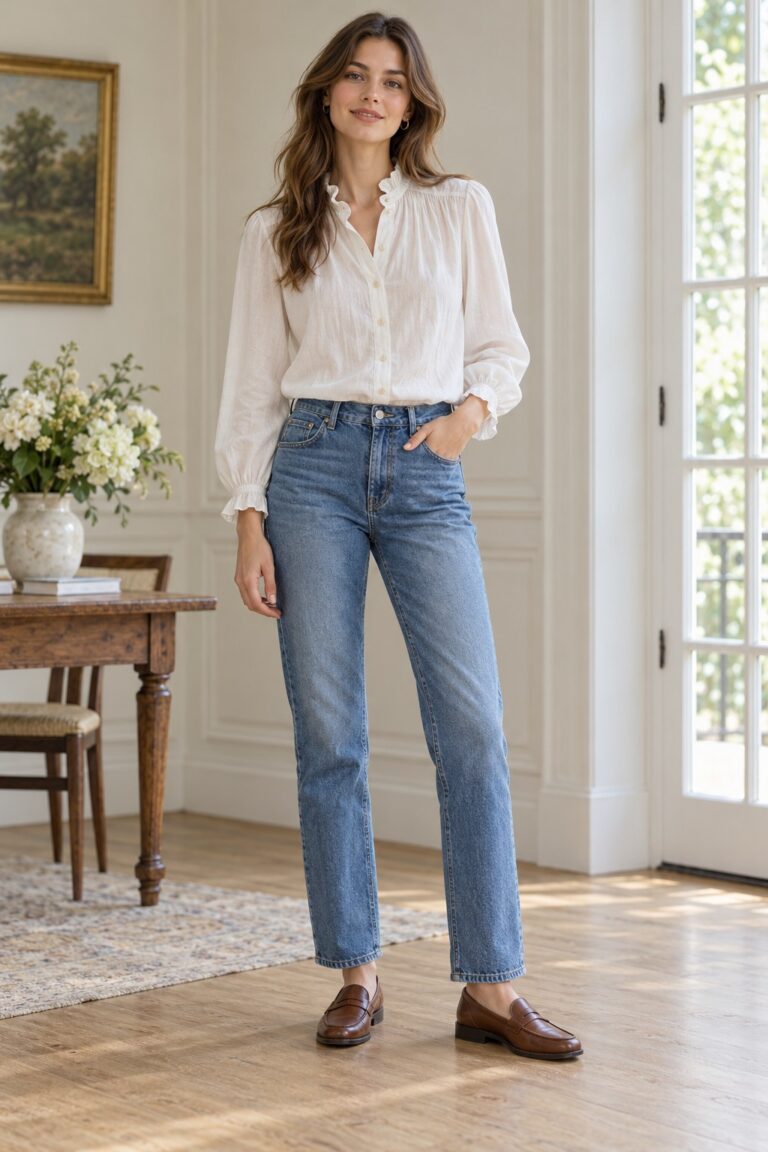 Capsule Wardrobe Systems9 Romantic Outfits with Practical Shoes and a Complete Layer Plan
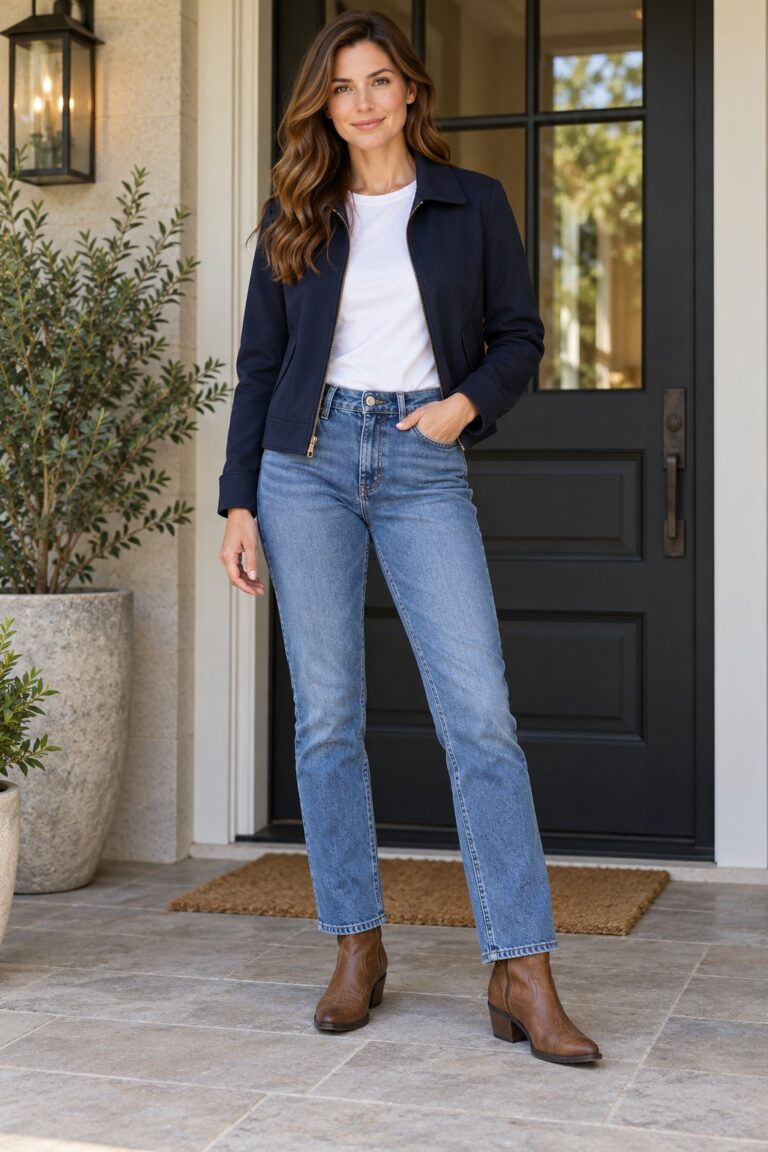 Capsule Wardrobe Systems7 Western-Inspired City Outfits with a Clear Starting Detail
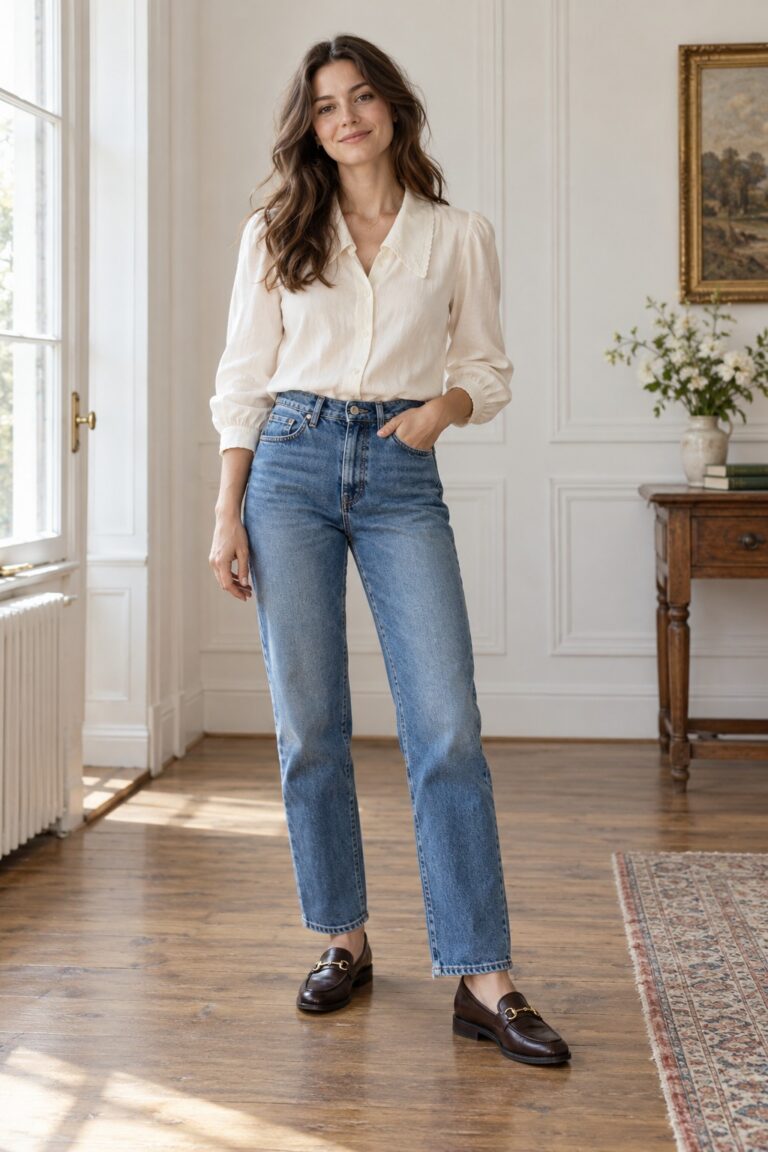 Capsule Wardrobe Systems10 Vintage-Inspired Outfits Built Around One Familiar Detail